Location
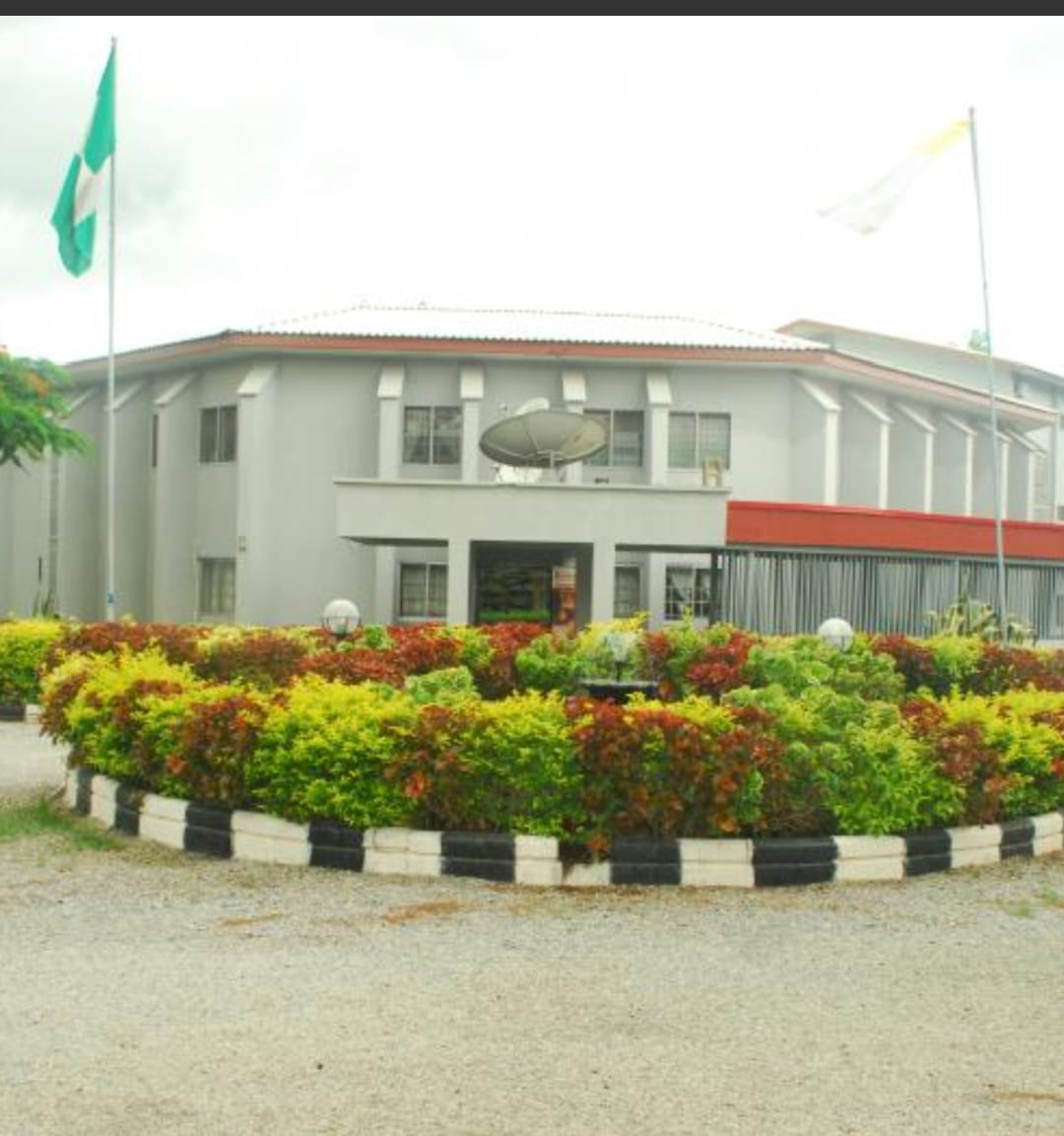
Retreat venue
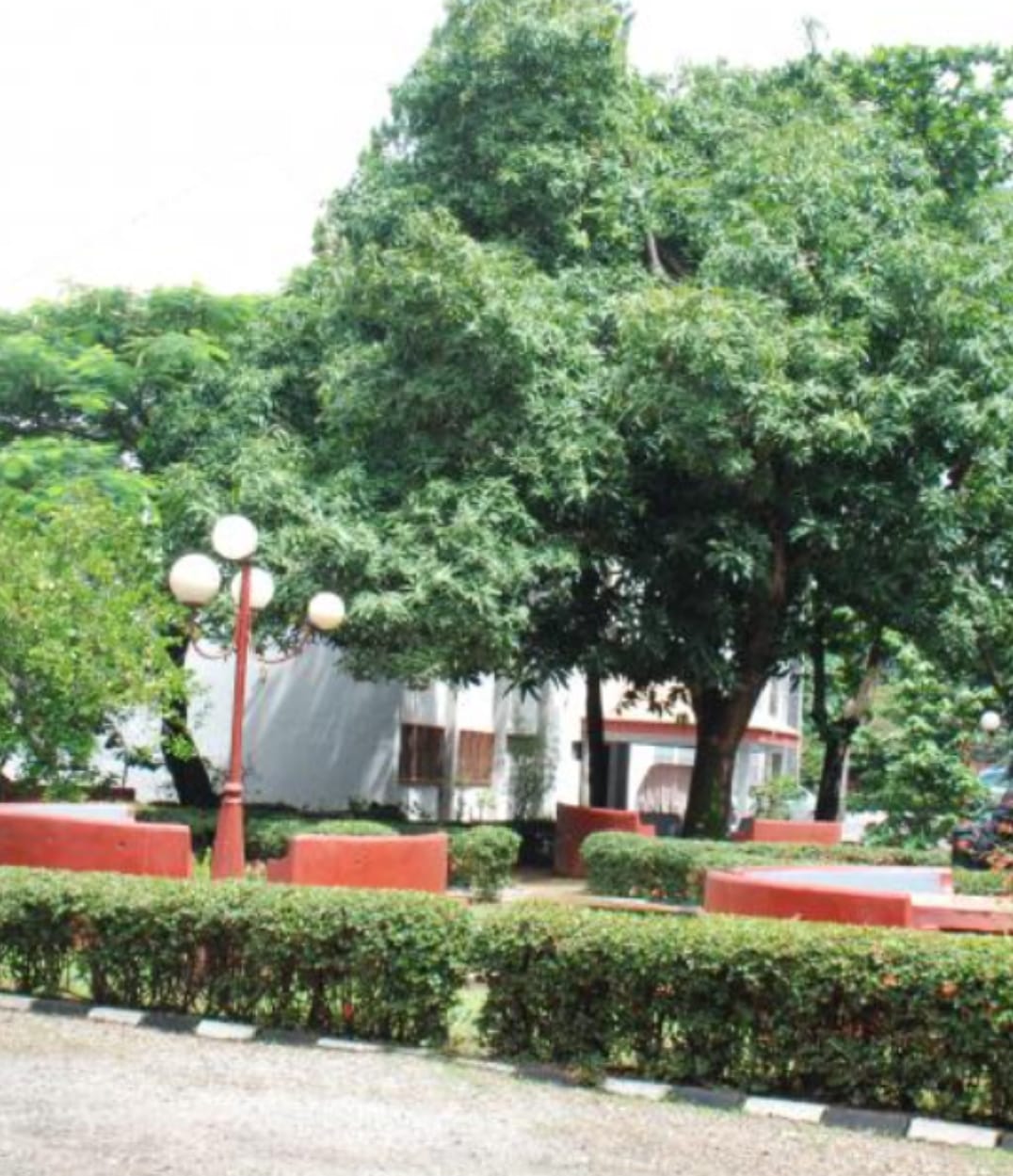
A peaceful setting for practice and community
Venue details are confirmed by the organising team. Upload location photos from the admin dashboard.
Location
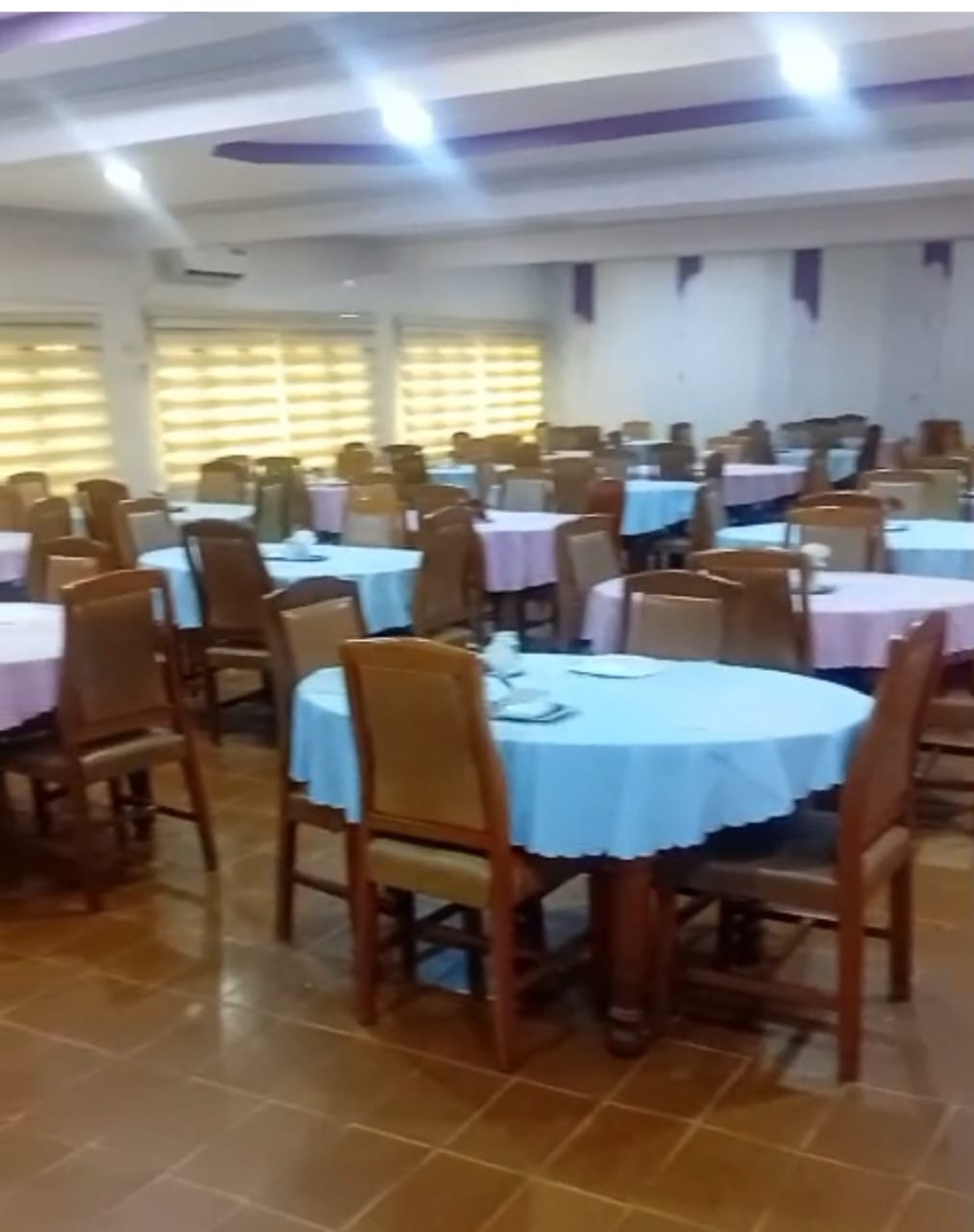
Getting there
Accessible from major cities in Nigeria
Travel directions and airport pickup notes are shared with confirmed participants.
Location
Get in
Main
Excellent
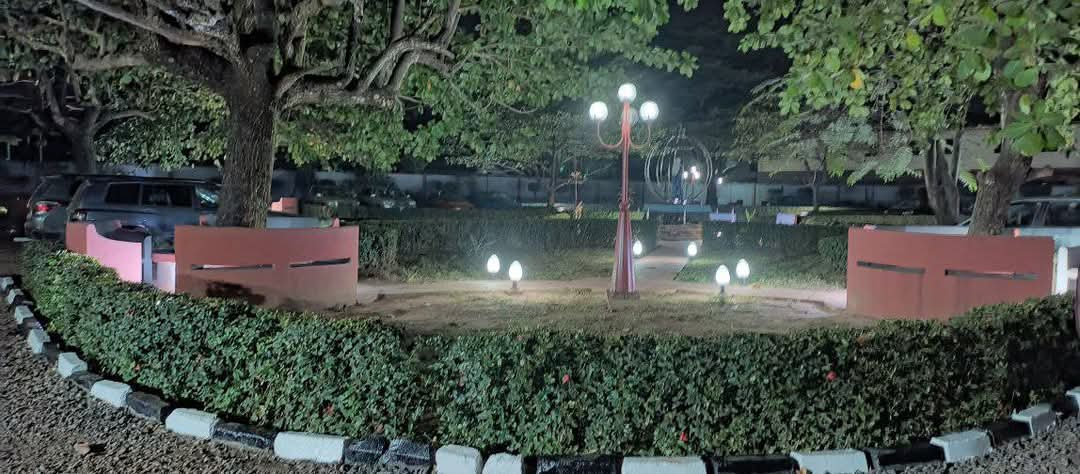
Location
welcome
home
retreat vibe
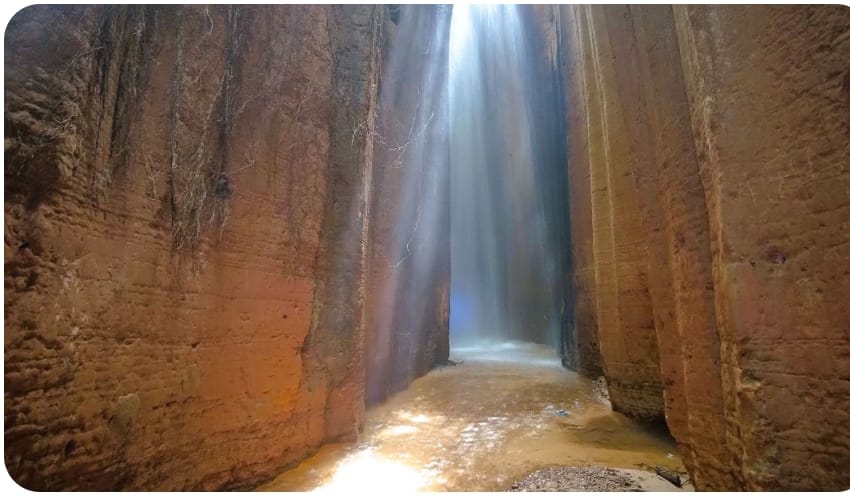
Location
Enugu view
Main view
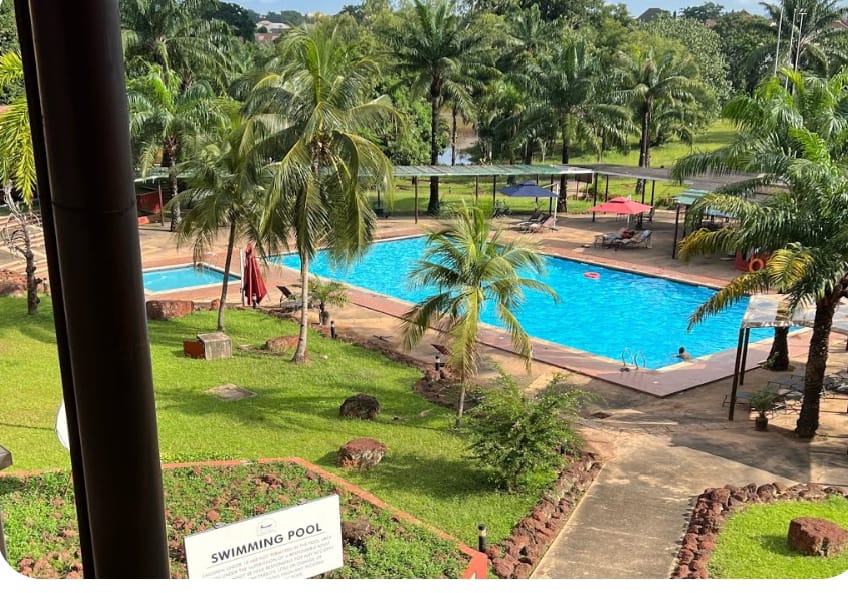
Location
Attraction
Optional three-day intensive after the retreat
good
Address
DRACC Daughters Of Divine Love Retreat And Conference Centre FHCR+23V, Emene, Enugu 400104, Enugu
Directions
Detailed travel directions will be sent to confirmed participants. Airport pickup can be arranged for international guests. Brief History of Nigeria Nigeria is a country in West Africa. It is bordered by Niger to the north, Chad to the northeast, Cameroon to the east, and Benin Republic to the west. The Atlantic Ocean lies to the south. Its capital city is Abuja, while Lagos is its largest city. Nigeria is known for its rich cultural heritage, natural resources, diverse languages, and many ethnic groups, including the Hausa, Yoruba, and Igbo. Early History Before colonial rule, the area now known as Nigeria was home to several powerful kingdoms and empires. These included the Nri Kingdom, Benin Kingdom, Oyo Empire, and Kanem-Bornu Empire, as well as the Sokoto Caliphate. These societies had their own systems of government, trade, religion, education, and cultural practices. British Colonial Rule During the nineteenth century, Britain increased its influence over the region. In 1914, Lord Frederick Lugard amalgamated the Northern and Southern Protectorates to form one country called Nigeria. British colonial rule continued until Nigeria gained independence. Independence in 1960 Nigeria gained independence from Britain on 1 October 1960. Sir Abubakar Tafawa Balewa became the first Prime Minister, while Dr Nnamdi Azikiwe later became the first President of Nigeria under the republican system in 1963. Civil War and Military Rule Nigeria experienced political instability, military coups, and a civil war from 1967 to 1970. The war followed the declaration of the independent Republic of Biafra by the Eastern Region in 1967. The war ended in January 1970, with the federal government declaring a policy of reconciliation, reconstruction, and rehabilitation. Nigeria experienced several periods of military rule before returning to democratic government in 1999. Democratic Government On 29 May 1999, Nigeria returned to civilian democratic rule, with Olusegun Obasanjo becoming president. Since then, the country has continued to practise a presidential democratic system, although it faces challenges such as insecurity, corruption, unemployment, and economic difficulties. Nigeria Today Nigeria is one of Africa's most populous countries and has a large and youthful population. Its economy depends on several sectors, including oil and gas, agriculture, trade, manufacturing, and services. Nigeria is also internationally recognised for its music, films (Nollywood), literature, fashion, and cultural diversity. Conclusion: Nigeria has a rich history shaped by ancient kingdoms, colonial rule, independence, civil war, military governments, and democracy. Despite its challenges, Nigeria continues to work towards national unity, peace, development, and a better future for its people.
Click the google map to track our NVC 2027 Retreat Venue.